
What Makes a Memorable Melody?
Why a handful of notes can stay with us for years

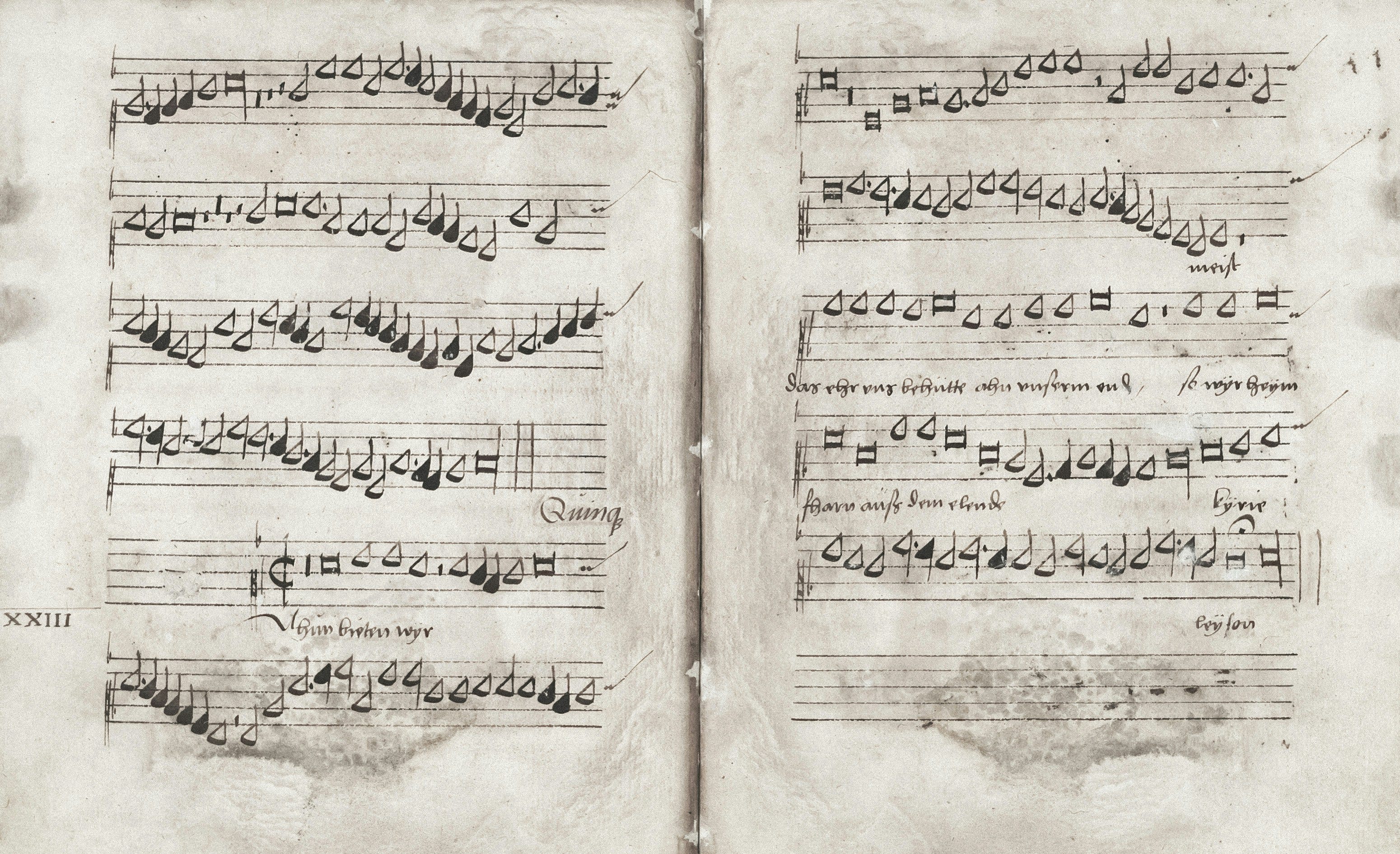
I’ve had an interesting conversation with several piano students recently about what makes a memorable melody. It’s one of those questions that sounds straightforward until you start trying to answer it. We can all think of melodies that have stayed with us for years, but explaining why those particular melodies endure is much harder.
One melody I’ve found myself returning to is Somewhere Over the Rainbow. Most people could probably sing at least part of it, even if they haven’t heard it for a while. It opens with that famous octave leap on the word “somewhere” – a bold jump that immediately creates a sense of longing and possibility. What’s interesting is that after making such a dramatic gesture, the melody settles into smaller, more singable movements. It manages to be surprising and familiar at the same time.
When musicians talk about melody, the idea of contour often comes up. Contour is simply the shape a melody creates as it rises and falls. If you were to draw a line following the notes of Somewhere Over the Rainbow, you’d see a series of graceful arches rather than a random collection of pitches. I often find myself talking about contour with students because memorable melodies usually feel as though they’re going somewhere.
Repetition is important too, although perhaps not in the way people sometimes think. Students occasionally write melodies where every bar introduces a new idea. There’s plenty of invention, but very little for the listener to hold onto. The strongest melodies often repeat and develop ideas rather than constantly replacing them. That repetition can be rhythmic as well as melodic. In fact, I think rhythm is what binds a melody together. You can change the notes considerably, but if a distinctive rhythmic pattern keeps returning, the melody often retains its identity.
The more you think about melody, the more you realise it doesn’t exist in isolation. Key, tempo and time signature all influence how we experience it. A melody played slowly can feel reflective and spacious, while the same notes at a faster tempo might feel urgent or restless. A melody in 3/4 moves differently from one in 4/4. Even the performance directions matter. A phrase marked cantabile encourages us to think of singing, while a little rubato can make a melody feel more conversational and human.
As a composer, most of my own pieces begin with a small fragment discovered while improvising. A few notes, a rhythmic idea or simply an interesting shape. Sometimes it develops into something worth pursuing and sometimes it doesn’t. The process still feels slightly mysterious to me.
Which is probably why I never feel I can give a fully satisfactory answer when a student asks what makes a memorable melody. I can point to contour, repetition, rhythm, tempo and all the other ingredients that seem to matter. But I can also think of plenty of examples that break the rules. The question is still interesting precisely because there isn’t a simple answer.
Steve
Some stuff coming up soon you might be interested in…
Piano Club - 2PM -3PM this Monday in my studio in Newcastle. Read about it and book in advance here
I’m playing in Berwick Upon Tweed in July… https://berwickparishchurch.co.uk/musical-events/
Lots of brand new uploads of digital sheet music including all the individual pieces from Homecoming and Be Curious in my website shop
Tickets on sale now for my upcoming concerts in the Victoria Tunnel in October and December https://www.ticketsource.com/steve-luck-music